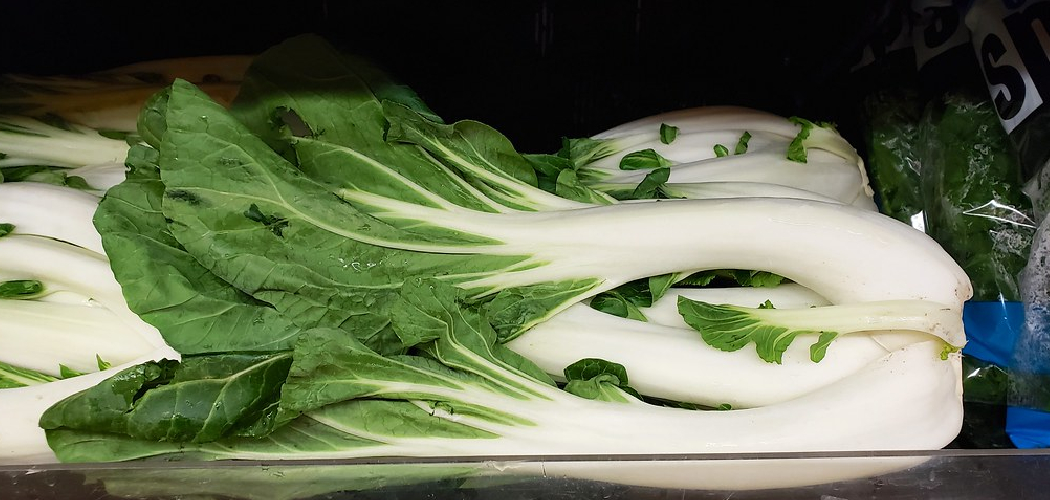
The Critical Role of Proper Bok Choy Storage
Bok choy, with its crisp stalks and tender leaves, is a versatile and nutritious addition to countless dishes, from stir-fries to soups. But if you've ever reached for your prized greens only to find them wilted, slimy, or discolored, you know the frustration that comes with improper storage. Mastering how to store bok choy isn't just about extending its shelf life; it's about preserving its vibrant flavor, crunchy texture, and essential nutrients. This guide will walk you through the common bok choy storage mistakes that can compromise its freshness and teach you the simple yet effective techniques to keep your greens at their peak.
Why Freshness Matters: Beyond Just Taste
Understanding the 'why' behind proper storage can transform your kitchen habits and minimize food waste. Here are a few compelling reasons:
- Peak Flavor and Texture: Fresh bok choy boasts a subtle sweetness and satisfying crunch. Improper storage quickly diminishes these qualities, leading to a bitter taste and limp texture.
- Nutrient Retention: Like many leafy greens, bok choy is packed with vitamins (A, C, K) and minerals. Good storage practices help to retain these vital nutrients, ensuring you get the most health benefits from your food.
- Preventing Spoilage: Moisture and warmth are the enemies of fresh produce. Correct storage minimizes the risk of mold growth, bacterial contamination, and rapid decay.
- Extended Shelf Life: Learn the right tricks, and you can significantly extend how long your bok choy remains fresh and edible, reducing trips to the grocery store.
- Cost-Effectiveness: Less spoilage means less food waste, which directly translates to saving money in the long run.
Common Bok Choy Storage Mistakes to Avoid
Even seasoned home cooks can fall prey to simple oversights that drastically shorten bok choy's life. By identifying and correcting these errors, you can keep your greens crisp and ready for your next meal.
Mistake #1: Washing Before Storage (Unless Perfectly Dry)
One of the most debated aspects of green vegetable storage is washing. While it's crucial to clean bok choy before consumption, washing it *before* storing it in the refrigerator can be a fatal error for its longevity. Excess moisture is the primary culprit behind slimy, rotting greens. If water droplets cling to the leaves and stalks, they create an ideal environment for mold and bacteria to thrive. Our friends at Master Bok Choy Storage: Keep Your Greens Crisp & Fresh delve deeper into this. Therefore, it's generally best to keep your bok choy unwashed until you're ready to use it. If you absolutely must wash it beforehand, ensure it is impeccably dry before packaging.
Mistake #2: Allowing Excess Moisture
Building on the previous point, even if you don't pre-wash, improper packaging can still trap too much moisture. Storing bok choy in an unsealed, airtight container without any absorption can lead to condensation buildup. This trapped humidity, coupled with the natural respiration of the plant, will create a damp environment that quickly degrades the greens, making them limp and prone to mold and bacterial growth.
Mistake #3: Storing Without Proper Protection
Simply tossing bok choy into the vegetable drawer without any wrapping is another common misstep. Direct exposure to the refrigerator's cold, dry air causes rapid dehydration. The leaves will quickly wilt, turn yellow, and lose their crispness and vibrant color, becoming unappealing and losing their essential nutrients. Proper packaging acts as a barrier, regulating humidity and protecting the delicate greens.
Mistake #4: The Ethylene Gas Trap
Many fruits, such as apples, bananas, avocados, and tomatoes, release ethylene gas as they ripen. Ethylene is a natural plant hormone that can accelerate the ripening and spoilage of sensitive produce stored nearby. Bok choy is particularly sensitive to ethylene. Storing your bok choy next to these ethylene-producing fruits can significantly speed up its decay, causing it to yellow, wilt, and lose its freshness much faster than it should.
Mistake #5: Ignoring Damaged Leaves
Before storing, take a moment to inspect your bok choy. Any leaves that are already wilted, bruised, yellowing, or otherwise damaged should be removed. These compromised areas are entry points for bacteria and mold and can quickly spread spoilage to the rest of the healthy greens, dramatically reducing the overall shelf life of the bunch.
Mistake #6: Leaving Bok Choy at Room Temperature for Too Long
While bok choy might be fine on the counter for a few hours if you plan to use it the same day, storing it at room temperature for extended periods is a recipe for disaster. The warmth accelerates its metabolic processes, leading to rapid wilting, loss of crunch, and eventual spoilage. For optimal freshness, the refrigerator is always your best friend.
Mastering Bok Choy Preparation for Extended Freshness
Preventing storage mistakes begins even before you tuck your bok choy into the fridge. A few simple preparation steps can make all the difference.
Gentle Cleaning (When to Wash)
As discussed, avoid washing bok choy until you're ready to use it for maximum longevity. However, if you bought it from a source where it appears very dirty or muddy and you *must* clean it for immediate storage, follow these steps meticulously:
- Submerge the entire head in a basin of cold water. Swish gently to dislodge any dirt or grit. You might need to do this a few times, changing the water.
- Separate the stalks and wash individually, paying attention to the base where dirt can accumulate.
Thorough Drying: The Golden Rule
If you've washed your bok choy, or if you notice any moisture on it, thorough drying is paramount. This cannot be overstated. After rinsing:
- Use a salad spinner to remove as much excess water as possible.
- Lay the bok choy on a clean kitchen towel or paper towels and gently pat it dry.
- For extra assurance, you can even let it air-dry on the counter for 15-30 minutes, turning occasionally, before proceeding to packaging. Every drop of moisture removed is a step towards longer freshness.
Inspect and Discard
Before packaging, carefully inspect each stalk and leaf. Remove and discard any wilted, bruised, yellowed, or otherwise damaged parts. This simple act can prevent premature spoilage of the entire batch.
Whole vs. Cut: Making the Right Choice
For the longest possible shelf life, it's generally best to store bok choy whole. Cutting exposes more surface area to air and potential contaminants, speeding up degradation. If a recipe calls for cut bok choy, perform the cutting just before you're ready to cook.
Optimal Methods for Storing Bok Choy Like a Pro
Now that you know what not to do and how to prepare your bok choy, let's explore the best ways to keep it fresh.
Refrigerator Storage: Your Best Bet for Short-Term Freshness
The refrigerator is ideal for keeping bok choy fresh for up to a week. Here's the most effective method:
- Wrap in a Damp Paper Towel: Take your unwashed (or meticulously dried) bok choy and lightly dampen a few paper towels. Wrap the bok choy loosely in these damp towels. The slight dampness helps maintain humidity without introducing excessive moisture.
- Place in a Plastic Bag: Slide the wrapped bok choy into a loose plastic bag (a produce bag from the grocery store works well). Don't seal it completely; leave a small opening for air circulation. This creates a slightly humid microclimate while allowing the bok choy to breathe.
- Crisper Drawer is Key: Store the packaged bok choy in the crisper drawer of your refrigerator. Crisper drawers are designed to manage humidity levels, making them the perfect environment for leafy greens like bok choy.
This method can keep your bok choy crisp and flavorful for 5-7 days, sometimes even longer.
Freezing Bok Choy: A Long-Term Solution
For longer-term storage, freezing is an excellent option, especially if you have an abundance of bok choy. Freezing raw bok choy can result in a mushy texture, so blanching is crucial:
- Blanch: Bring a pot of water to a rolling boil. Prepare an ice bath (a large bowl of ice water) nearby. Cut your bok choy into desired pieces (or blanch whole small heads), then plunge it into the boiling water for 1-2 minutes. This brief cooking stops enzyme action, preserving color, flavor, and texture.
- Shock: Immediately transfer the blanched bok choy to the ice bath to halt the cooking process.
- Dry Thoroughly: Once completely cool, drain the bok choy and pat it very dry with paper towels. Excess water will form ice crystals and lead to freezer burn.
- Flash Freeze (Optional but Recommended): For best results, spread the dried bok choy in a single layer on a baking sheet and freeze for 1-2 hours until solid. This prevents pieces from clumping together.
- Package: Transfer the flash-frozen (or simply dried) bok choy into airtight freezer bags or containers. Squeeze out as much air as possible from bags before sealing to prevent freezer burn.
Frozen bok choy can last for up to 3-6 months. It's best used in cooked dishes like soups, stews, or stir-fries, as its texture will be softer than fresh.
Beyond Storage: Maximizing Your Bok Choy Experience
Sometimes, despite your best efforts in Extend Bok Choy Life: Smart Storage Tips & Methods Revealed, your bok choy might look a little sad. Don't throw it out just yet!
Reviving Wilting Bok Choy
If your bok choy has gone a bit limp but isn't slimy or yellowed, you can often revive it. Submerge the entire head (roots and all) in a bowl of cold water for 15-30 minutes. The cells will rehydrate, often bringing back much of its crispness. This trick works wonders!
Buying Smart: Prevention is Key
The best storage starts with the freshest produce. When buying bok choy, look for:
- Vibrant green leaves, not yellow or spotted.
- Firm, white stalks without bruising or discoloration.
- No signs of wilting or sliminess.
Conclusion
Knowing how to store bok choy effectively is a simple skill that yields significant rewards. By avoiding common pitfalls like excessive moisture, improper packaging, and proximity to ethylene-producing fruits, and by implementing proper washing, drying, and storage techniques, you can ensure your bok choy remains wonderfully fresh, flavorful, and nutritious. Embrace these tips to minimize waste, save money, and elevate your culinary creations with perfectly crisp bok choy every time.
