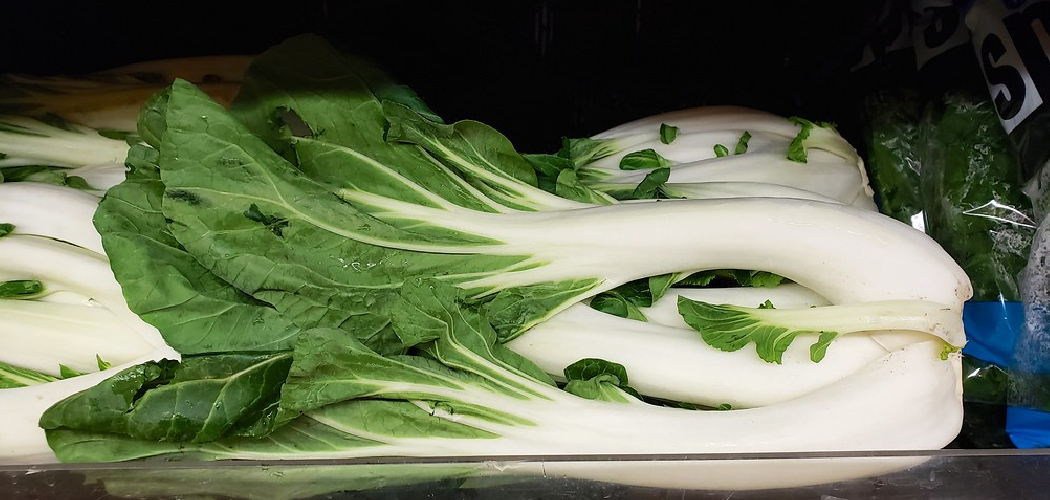
Master Bok Choy Storage: Keep Your Greens Crisp & Fresh
Bok choy, with its tender leaves and crunchy stalks, is a versatile and nutritious addition to countless culinary creations. From vibrant stir-fries to comforting soups, its delicate flavor and satisfying texture elevate any dish. However, like many leafy greens, bok choy can quickly lose its crispness and vibrant appeal if not stored correctly. If you've ever reached for your bok choy only to find it limp and unappetizing, you know the frustration. The secret to unlocking its full potential and enjoying it at its best lies in mastering how to store bok choy effectively. This comprehensive guide will walk you through proven techniques to keep your bok choy fresh, flavorful, and ready for your next culinary adventure.
Why Smart Bok Choy Storage Matters More Than You Think
Understanding the 'why' behind proper storage is just as important as knowing the 'how'. When you invest in fresh produce, you want to maximize its benefits. Here are compelling reasons why thoughtful bok choy storage is crucial:
- Preserving Peak Freshness and Flavor: Fresh bok choy boasts a subtle, slightly peppery flavor and a satisfying crunch. Improper storage quickly leads to wilting, which diminishes both its taste and desirable texture. A limp leaf offers a vastly different experience than a crisp one.
- Optimizing Nutrient Retention: Bok choy is packed with vitamins A, C, and K, as well as essential minerals. These nutrients are more abundant and stable when the vegetable is fresh. As it wilts and degrades, nutrient content can decrease, particularly water-soluble vitamins.
- Preventing Premature Spoilage: The enemy of fresh produce is spoilage, often instigated by excess moisture, bacterial growth, or ethylene gas exposure. Proper storage techniques create an environment that inhibits these factors, preventing mold and decay.
- Extending Shelf Life & Reducing Waste: By employing the right methods, you can significantly extend the life of your bok choy, from a few days to over a week, or even months if frozen. This directly translates to less food waste, ensuring you get to enjoy every stalk you purchase.
- Cost-Effectiveness: When your bok choy stays fresh longer, you don't have to throw out spoiled produce. This saves you money in the long run and makes your grocery budget stretch further.
Essential Prep Steps Before Storing Your Bok Choy
Before you even think about putting your bok choy in the fridge, a few preparatory steps can make a world of difference in its longevity. Think of this as laying the groundwork for freshness.
Gentle Cleaning & Thorough Drying
Many experts advise against washing bok choy before storing it, as residual moisture can accelerate spoilage. However, if your bok choy is particularly dirty, a gentle wash is acceptable, but only if you can guarantee complete and utter dryness afterward. Here’s how:
- Submerge and Swirl: Fill a large bowl or your sink with cold water. Submerge the bok choy, gently swishing it around to dislodge any dirt or sand caught between the stalks and leaves. You might need to do this a couple of times.
- Rinse Briefly: Give it a quick rinse under cool running water.
- Dry Meticulously: This is the most crucial step. Use a salad spinner to remove as much water as possible. For extra assurance, lay the bok choy out on clean paper towels or a kitchen towel and gently pat every surface dry. Any remaining moisture is an open invitation for mold and bacteria, sabotaging your efforts to store bok choy for optimal freshness.
Inspection and Trimming
Take a moment to carefully inspect your bok choy. Remove any leaves that appear wilted, yellowed, bruised, or damaged. These compromised leaves release ethylene gas (a ripening hormone) and can spread decay to the healthier parts, significantly shortening the shelf life of the entire bunch. Trim off any discolored or dried-out ends from the base of the stalks.
To Cut or Not to Cut?
Generally, for longer storage, it's best to keep bok choy whole. Cutting exposes more surface area to air, leading to faster moisture loss and oxidation. If a recipe requires chopped bok choy, do the cutting just before you plan to use it to maintain its flavor and crispness.
Proven Methods for Extending Bok Choy's Shelf Life
Now that your bok choy is prepped, let's explore the best ways to keep it fresh and vibrant.
Refrigerator Storage: The Everyday Champion
The refrigerator is your primary tool for short-to-medium term storage of fresh bok choy. The goal is to create a slightly humid environment that prevents dehydration while avoiding excessive moisture that causes rot.
- The Damp Paper Towel Method: This is arguably the most popular and effective technique for keeping bok choy crisp.
- Once your bok choy is clean and completely dry, take a clean paper towel and dampen it slightly – it should be moist, not dripping wet.
- Wrap the entire bunch of bok choy loosely in the damp paper towel.
- Place the wrapped bok choy into a plastic bag (a produce bag from the grocery store works well, or a reusable silicone bag).
- Do not seal the bag tightly; leave a small opening to allow for some air circulation and prevent condensation build-up, which can lead to mold.
- Store the bagged bok choy in the crisper drawer of your refrigerator. Crisper drawers are designed to maintain optimal humidity levels for vegetables.
With this method, your fresh bok choy can stay crisp for 5 to 10 days, often even longer if the conditions are ideal and you replace the damp paper towel every few days.
- The "Bok Choy Bouquet" Method: For immediate use and maximum crispness, some chefs treat bok choy like a flower bouquet.
- Trim about half an inch off the bottom of the stalks.
- Place the bok choy upright in a glass or jar with about an inch of cold water at the bottom.
- Loosely cover the leaves with a plastic bag or plastic wrap to create a humid tent.
- Change the water daily.
This method works well for 3-5 days and can even revive slightly wilted bok choy. It’s ideal if you plan to use it within a few days.
Freezing Bok Choy: A Long-Term Solution
If you have a surplus of bok choy or want to enjoy it months down the line, freezing is an excellent option. However, freezing raw bok choy isn't ideal as it will become mushy upon thawing. Blanching is key here.
- Prep and Blanch: Wash and dry your bok choy as described above. You can keep it whole or chop it into desired sizes (stalks separate from leaves). Bring a large pot of water to a rolling boil. Prepare an ice bath in a separate large bowl. Submerge the bok choy in the boiling water for 1-2 minutes (leaves blanch faster than stalks, so adjust if freezing separately).
- Shock in Ice Bath: Immediately transfer the blanched bok choy to the ice bath to halt the cooking process. This preserves its color, texture, and nutrients.
- Drain and Dry Thoroughly: Remove the bok choy from the ice bath and drain it very well. Pat it as dry as possible with a clean towel. Excess water will turn into ice crystals, leading to freezer burn and a mushy texture.
- Flash Freeze (Optional but Recommended): Spread the dried bok choy in a single layer on a baking sheet lined with parchment paper. Place it in the freezer for 1-2 hours until solid. This prevents the pieces from clumping together.
- Package and Store: Transfer the flash-frozen bok choy into airtight freezer-safe containers or heavy-duty freezer bags. Squeeze out as much air as possible from the bags (a straw can help if you don't have a vacuum sealer). Label with the date.
Frozen bok choy can last for up to 3 months. It's best used in cooked dishes like soups, stews, or stir-fries, as its texture will be softer than fresh bok choy.
Avoiding Common Bok Choy Storage Pitfalls
Even with the best intentions, simple mistakes can significantly shorten your bok choy's life. Be mindful of these common pitfalls:
- Excess Moisture in Packaging: While a damp paper towel is beneficial, actual water droplets or condensation inside a sealed bag will quickly lead to slime and mold. Ensure your bok choy is dry before wrapping and allow some air circulation.
- Leaving it Uncovered in the Fridge: The cold, dry air of a refrigerator can rapidly dehydrate leafy greens. Always provide some form of protection, whether a damp paper towel and bag or a sealed container.
- Storing Near Ethylene-Producing Fruits: Apples, bananas, avocados, and tomatoes release ethylene gas, which is a natural ripening agent. Storing bok choy near these fruits will accelerate its spoilage and cause it to wilt much faster. Keep them separate!
- Overcrowding the Crisper Drawer: While crisper drawers are great, packing them too full can impede air circulation, leading to uneven cooling and potential moisture build-up.
To delve deeper into these pitfalls and ensure you're not making simple errors that compromise freshness, explore our guide on Bok Choy Storage Mistakes to Avoid for Peak Freshness.
Quick Q&A: Your Bok Choy Storage Concerns Answered
- Can bok choy be stored at room temperature? It's not recommended for extended periods. While it might be okay for a few hours if you plan to use it the same day, for optimal freshness and longevity, always store bok choy in the refrigerator.
- How long does fresh bok choy last in the fridge? With proper storage in the crisper drawer using the damp paper towel method, fresh bok choy can last anywhere from 5 to 10 days.
- Can I revive wilted bok choy? Sometimes! If your bok choy is just a little limp, you might be able to revive it by submerging it in a bowl of ice water for 15-30 minutes. This allows the cells to rehydrate. While it won't be as crisp as freshly picked, it can be salvaged for cooking.
- Should I wash bok choy before storing it? As a general rule, it's best to wash bok choy right before you're ready to use it. If you must wash it beforehand (e.g., if it's very dirty), ensure it is meticulously dried to prevent premature spoilage.
Mastering how to store bok choy is a small effort that yields significant rewards. By implementing these simple yet effective techniques, you can ensure your leafy greens remain vibrantly green, delightfully crisp, and packed with nutrients, ready to enhance your next delicious meal. Say goodbye to limp, wasted bok choy and hello to extended freshness and culinary satisfaction!
