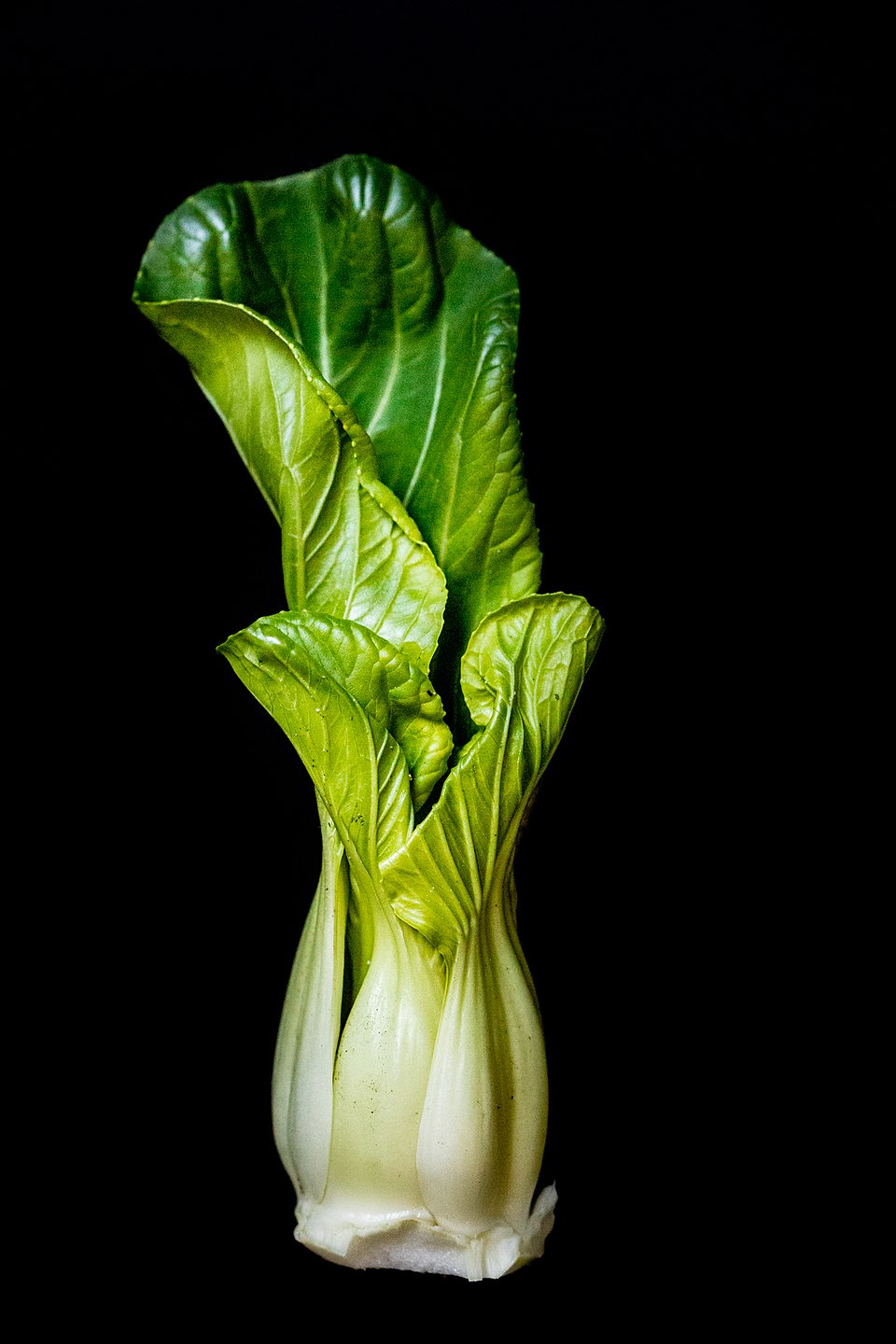
Bok choy, with its crisp stalks and tender, leafy greens, has become a beloved staple in kitchens worldwide. From vibrant stir-fries to comforting soups, its versatility and mild, slightly peppery flavor are undeniable. However, like many leafy greens, bok choy is highly perishable. Mastering how to store bok choy correctly isn't just about making it last longer; it’s about preserving its exceptional taste, texture, and nutritional value, ensuring every dish you create shines.
This comprehensive guide will reveal the smartest storage tips and methods to extend your bok choy's life, keeping it wonderfully fresh and ready for your next culinary adventure. Say goodbye to wilted, wasted greens and hello to peak freshness!
Why Proper Bok Choy Storage is a Game-Changer for Your Kitchen
Before diving into the 'how-to,' it's crucial to understand the profound impact that effective storage has on your bok choy. It goes beyond mere preservation, touching upon various aspects of your cooking and food budget:
- Uncompromised Freshness and Texture: Correct storage ensures your bok choy retains its signature crispness and vibrant green leaves. There’s nothing more disappointing than reaching for a bunch only to find it limp and unappealing.
- Maximized Nutrient Retention: Leafy greens are powerhouse vegetables, packed with vitamins A, C, and K, as well as essential minerals. Poor storage can degrade these vital nutrients, diminishing the health benefits you seek. Keeping it fresh helps lock in these nutritional advantages.
- Preventing Spoilage and Waste: Wilting, yellowing, and sliminess are all signs of spoilage, often leading to food waste. By implementing smart storage techniques, you significantly reduce the chances of mold and decay, saving you money and contributing to a more sustainable kitchen.
- Enhanced Flavor Profile: Fresh bok choy boasts a subtle sweetness and a tender-crisp bite. As it deteriorates, these desirable qualities fade, replaced by a duller taste and tougher texture. Proper storage keeps its flavor robust and delightful.
- Cost-Effectiveness: When your produce lasts longer, you buy it less frequently. This directly translates to savings on your grocery bill, making your fresh food budget stretch further.
Essential Prep Steps: Getting Your Bok Choy Ready for Storage
The journey to long-lasting bok choy begins even before it hits the fridge or freezer. A few simple preparatory steps can make all the difference in extending its shelf life.
Gentle Cleaning and Thorough Drying
While some guides suggest not washing bok choy before refrigeration, we recommend a gentle wash if you intend to store it for more than a few days, especially if it appears visibly dirty from the store. The key is what comes next:
- Submerge and Swish: Fill a large bowl or sink with cold water. Submerge the bok choy and gently swish it around to dislodge any dirt or sand nestled between the stalks and leaves. You might need to do this a couple of times.
- Spin or Shake: Excess moisture is the enemy of fresh greens, leading rapidly to mold and spoilage. After washing, use a salad spinner to remove as much water as possible. If you don't have one, gently shake off the excess water.
- Pat Dry Completely: Lay the bok choy on a clean kitchen towel or paper towels. Gently pat every part dry. Ensure there's no visible water clinging to the leaves or stalks. This step is critical for preventing early spoilage.
Inspect and Trim
Once clean and dry, give your bok choy a thorough inspection:
- Remove Damaged Leaves: Look for any leaves that are bruised, yellowing, slimy, or significantly wilted. These damaged parts can accelerate spoilage for the entire bunch. Carefully pull or cut them away.
- Trim the Base (Optional): If the very base of the bok choy appears discolored or overly firm, you can trim a thin slice off, but it's not strictly necessary for storage unless you plan to separate the stalks.
To Cut or Not To Cut: A Strategic Decision
The decision to cut your bok choy before storage depends on your intended use and how long you want it to last:
- Keep it Whole for Longer Storage: For maximum shelf life, it's generally best to keep bok choy whole. Less cut surface area means less exposure to air and moisture, which can lead to oxidation and decay.
- Cut Just Before Use: If your recipe calls for chopped bok choy, do the chopping right before you're ready to cook. This preserves its flavor, texture, and nutrient content much better than pre-chopping.
Mastering the Methods: Your Guide to Storing Bok Choy for Peak Freshness
Once prepped, your bok choy is ready for its storage home. Here are the most effective methods to choose from, depending on your needs.
Refrigerator Storage: The Everyday Solution
For most home cooks, the refrigerator is the primary method for keeping bok choy fresh for a reasonable period. The goal is to mimic a high-humidity environment without allowing excess moisture to sit on the leaves.
- The Damp Paper Towel Method: Take your thoroughly dried bok choy. Lightly dampen one or two paper towels (they should be moist, not dripping wet).
- Wrap and Bag: Gently wrap the bok choy in the damp paper towels. This creates a micro-humid environment that prevents dehydration. Place the wrapped bok choy into a plastic bag (a produce bag from the grocery store works well).
- Allow for Airflow: Don't seal the plastic bag completely airtight. Leave a small opening or make a few perforations. This allows for some air circulation, preventing the buildup of ethylene gas (which speeds ripening) and excess moisture. Alternatively, you can use a perforated produce storage bag designed for greens.
- Crisper Drawer is Key: Store the bagged bok choy in your refrigerator's crisper drawer. This drawer is designed to maintain higher humidity levels than the rest of the fridge, providing the ideal environment for leafy greens.
Shelf Life: Stored this way, fresh bok choy can last anywhere from 5 to 7 days, sometimes up to a week, depending on its initial freshness and the efficiency of your fridge.
Freezing Bok Choy: Long-Term Preservation
If you have an abundance of bok choy or want to extend its life for several months, freezing is an excellent option. Keep in mind that frozen and thawed bok choy will lose its crispness and is best suited for cooked dishes rather than fresh salads.
- Blanching is Essential: Freezing raw bok choy can result in a rubbery texture and dull flavor. Blanching helps preserve its color, flavor, and nutrients. Bring a large pot of water to a rolling boil.
- Quick Dip: Submerge the prepared bok choy (you can chop it into desired pieces for convenience at this stage) into the boiling water for 1 to 2 minutes. The water should return to a boil quickly after adding the greens.
- Ice Bath Shock: Immediately transfer the blanched bok choy into a large bowl of ice water. This "shocks" the bok choy, halting the cooking process and preserving its vibrant green color.
- Thoroughly Drain and Dry: Once cooled, drain the bok choy well. Squeeze out as much excess water as possible. Lay it out on a clean towel to air dry further or gently pat it dry. Again, dryness is crucial here to prevent ice crystals and freezer burn.
- Flash Freeze: For individual pieces that don't clump together, spread the dried bok choy in a single layer on a baking sheet lined with parchment paper. Place it in the freezer for 1-2 hours until solid.
- Pack and Store: Transfer the flash-frozen bok choy into airtight freezer bags or containers. Squeeze out as much air as possible from bags (a straw can help for freezer bags) to prevent freezer burn.
Shelf Life: Properly blanched and frozen bok choy can last for up to 3 months in the freezer.
Common Pitfalls to Avoid When Storing Bok Choy
Even with the best intentions, storage mistakes can quickly undo your efforts. Be mindful of these common missteps:
- Excess Moisture: This is the number one culprit for slimy, moldy greens. Never store un-dried, freshly washed bok choy. The damp paper towel method is about *humidity*, not standing water.
- No Packaging in the Crisper: Simply placing bok choy directly into the crisper drawer without any wrapping or bagging exposes it to dry air, causing it to wilt rapidly.
- Storing Near Ethylene-Producing Fruits: Certain fruits, such as apples, bananas, pears, and avocados, release ethylene gas as they ripen. This gas acts as a ripening agent and can dramatically speed up the spoilage of sensitive vegetables like bok choy. Always store bok choy away from these fruits. For more detailed advice, read Bok Choy Storage Mistakes to Avoid for Peak Freshness.
- Room Temperature for Too Long: While bok choy can handle room temperature for a couple of hours if you plan to use it the same day, prolonged exposure will lead to rapid wilting and an increased risk of bacterial growth.
- Overcrowding: Don't cram too much bok choy into one bag or container. This can restrict airflow and create pockets of moisture, accelerating spoilage.
FAQs About Bok Choy Storage
Can bok choy be stored at room temperature?
It's best to store bok choy in the fridge for optimal freshness and to prevent rapid wilting. It can tolerate being at room temperature for a few hours if you plan to cook it the same day you buy it, but for longer periods, refrigeration is essential.
How long does fresh bok choy last in the fridge?
When properly stored in the crisper drawer with the damp paper towel and plastic bag method, fresh bok choy can last for 5 to 7 days, sometimes up to a week. Its initial freshness at purchase will also play a role.
How do you know if bok choy has gone bad?
Signs of spoilage include yellowing leaves, a slimy or mushy texture on the stalks or leaves, a strong unpleasant odor, or the appearance of mold. If you see any of these signs, it's best to discard it.
Can you revive wilted bok choy?
Sometimes! If your bok choy is just slightly limp and not slimy or discolored, you can try to revive it. Trim the very ends of the stalks and place the bok choy in a glass of ice water for 15-30 minutes. This often helps it rehydrate and regain some crispness.
Conclusion
Extending the life of your bok choy doesn't require any complex culinary magic, just a few smart, consistent storage practices. By dedicating a little time to proper cleaning, drying, and choosing the right storage method—whether it's refrigeration for daily use or freezing for long-term—you can significantly reduce food waste and always have crisp, flavorful bok choy on hand. Implement these tips, and you'll not only enjoy fresher, more nutritious meals but also save money and contribute to a more sustainable kitchen. Happy cooking!
